
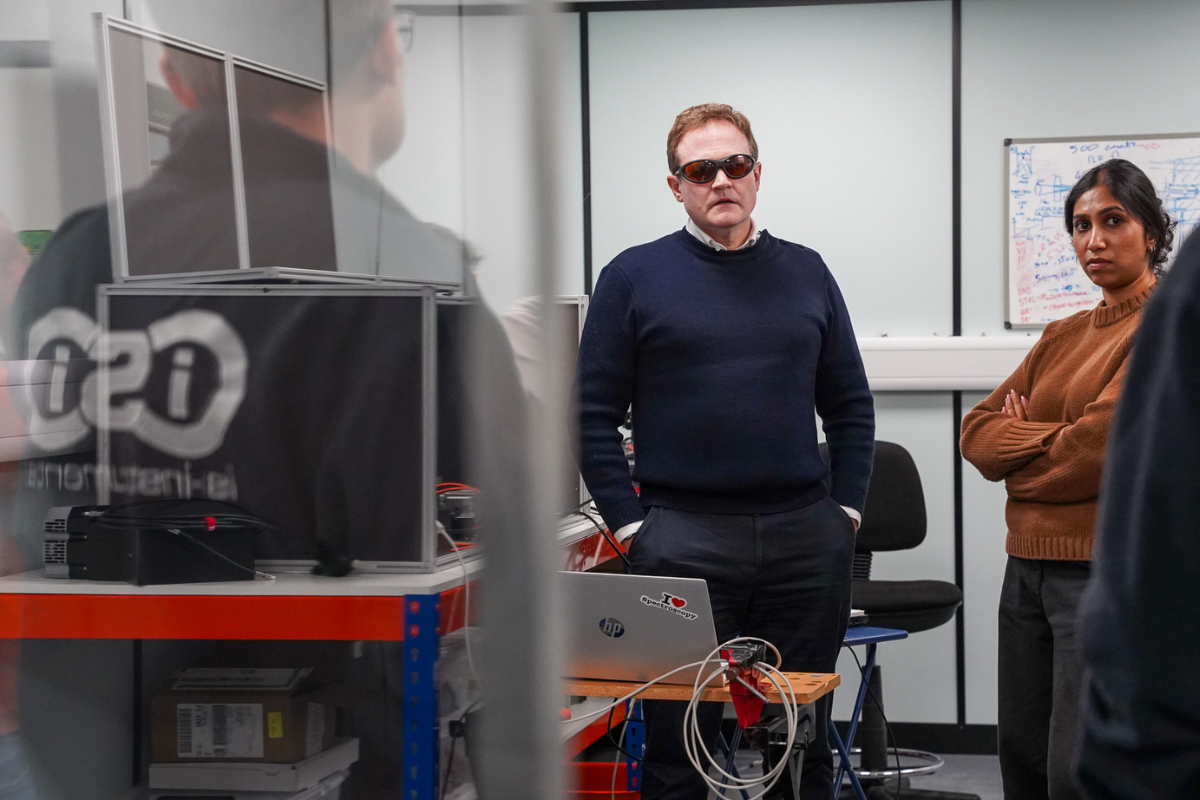
Last week, IS-Instruments (ISI) was pleased to welcome local MP Tom Tugendhat to our Tonbridge facility. During the visit, he met members of the team and learned more about the advanced Raman spectroscopic technologies being developed within his constituency. He had the opportunity to see advanced Raman spectroscopy in action! Additionally, he got to meet i3D’s team and hear about innovations in robotics, AI, and stereo vision.
Advanced Raman Spectroscopy Supporting the Development of Fusion Energy
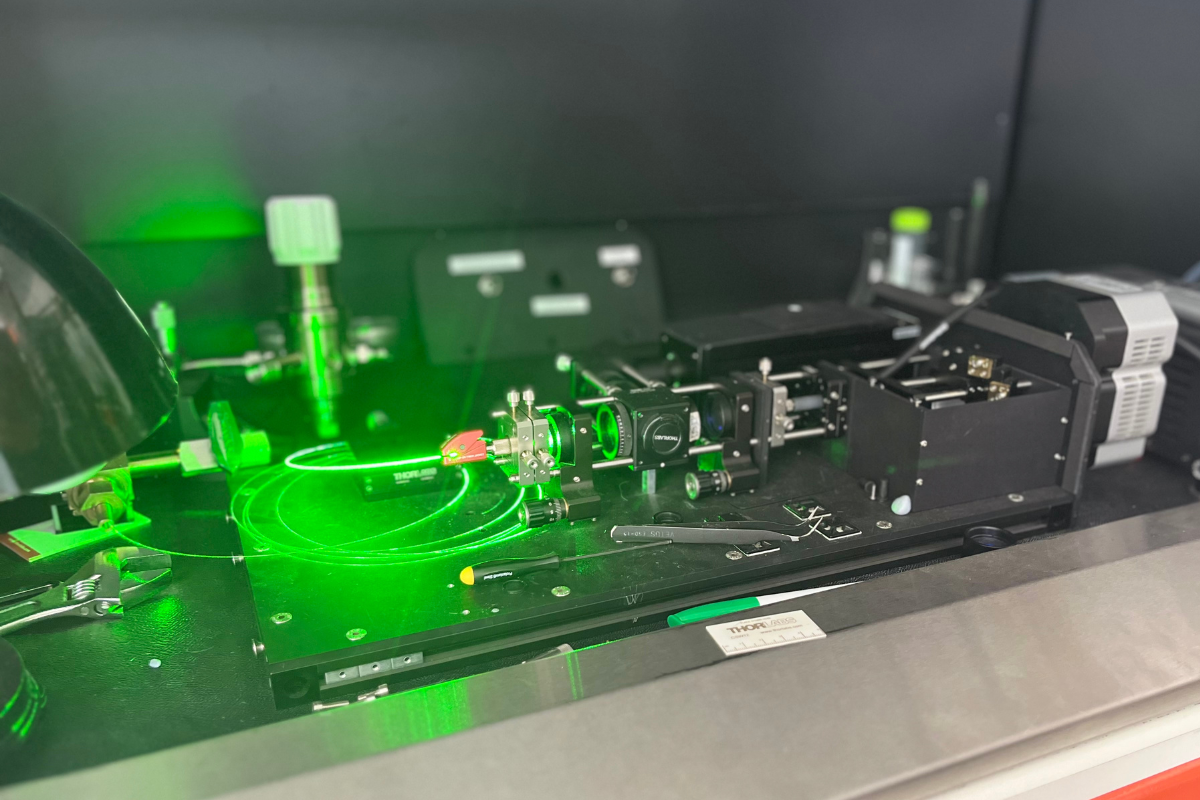
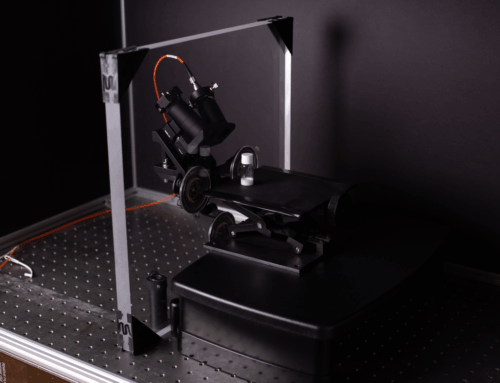
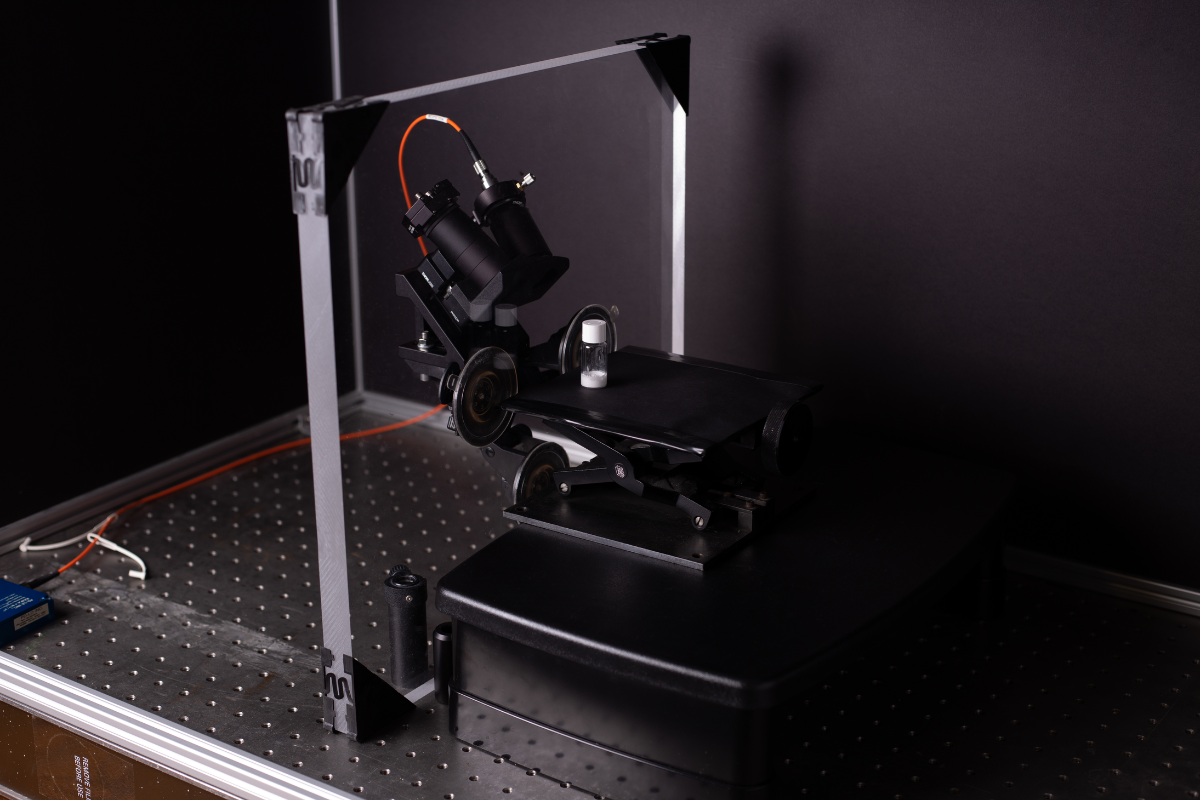
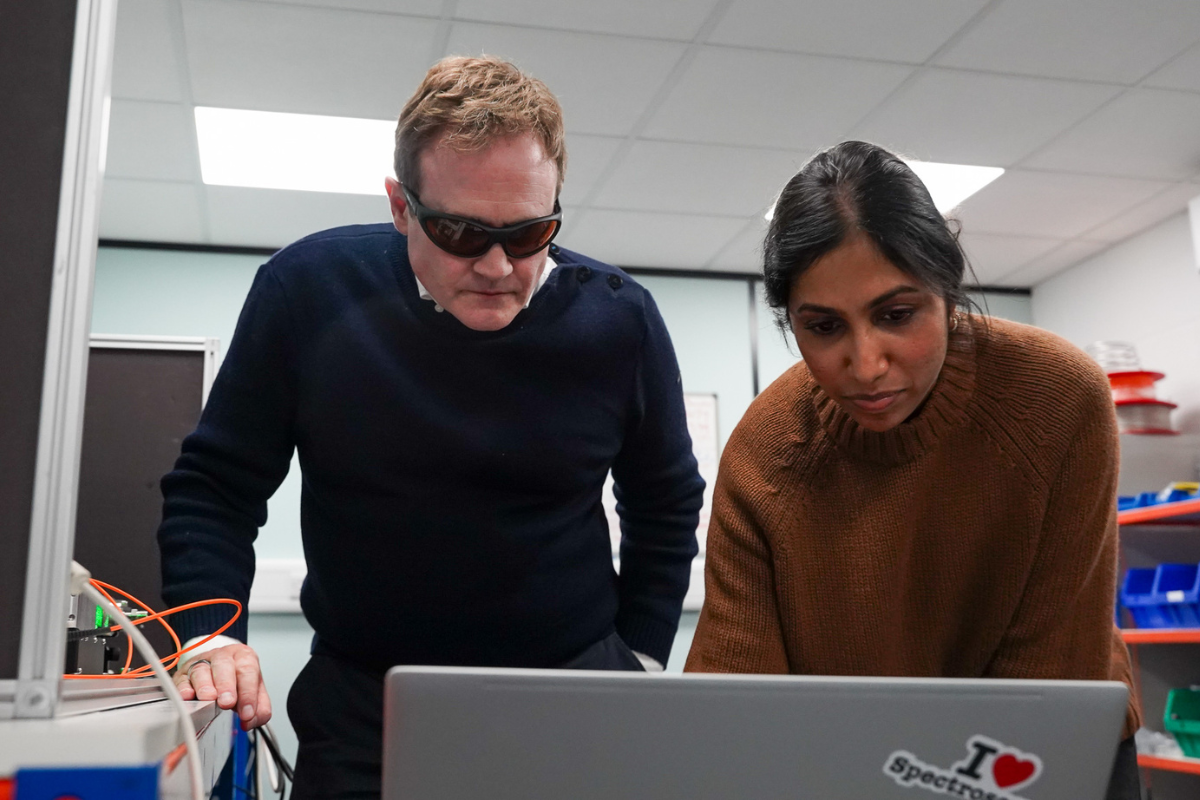
During the visit, Mr Tugendhat spent time in the laboratory with Dr Rhea Sam. Here, he explored the capabilities of our gas Raman system. He also discussed its role in supporting the development of the UK’s emerging fusion industry.
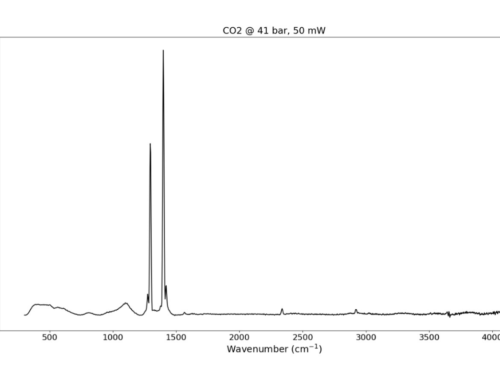
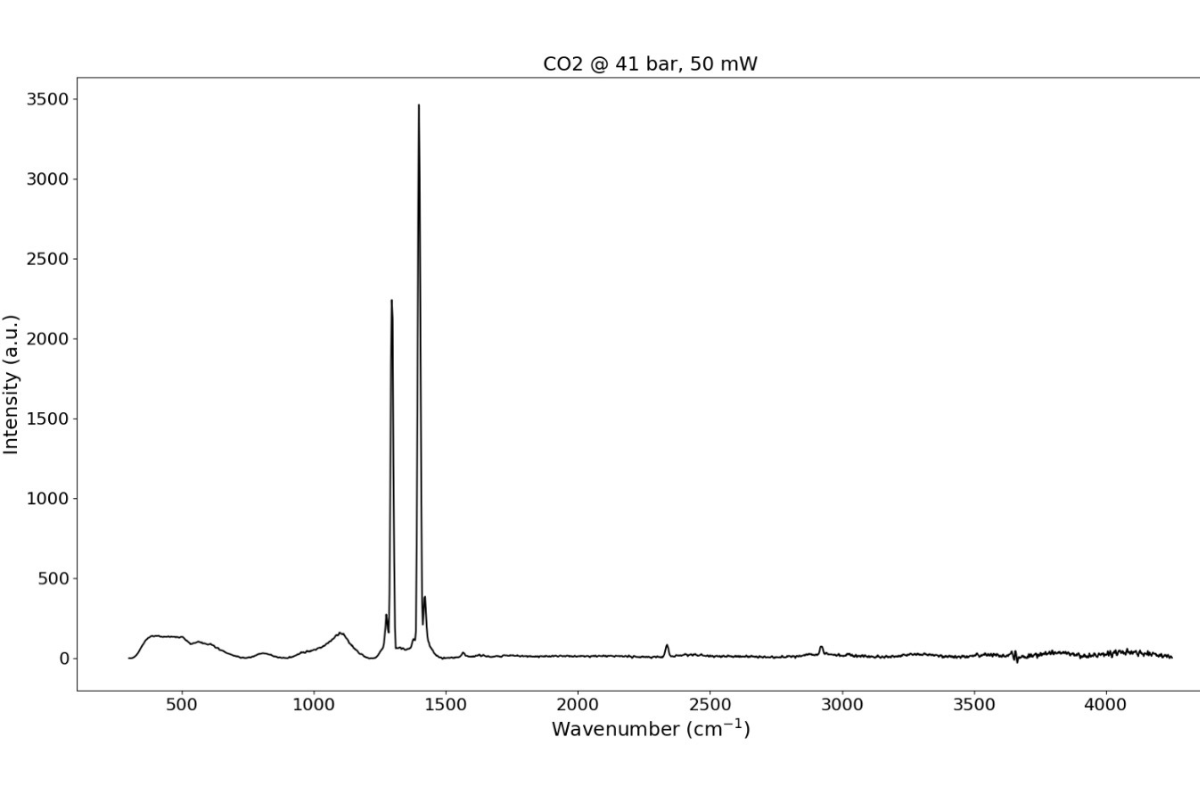
Gas Raman spectroscopy enables precise, real-time analysis of complex gas mixtures. In fusion research environments, accurate monitoring of fuel gases and associated species is critical. It supports safety, improves performance and protects long-term system reliability.
Our instrumentation contributes to the GRADE (Gas RAman DEtection) projects within the Fusion Industry Programme (FIP). The programme is led by the UK Atomic Energy Authority (UKAEA). Fusion systems rely on hydrogen isotopes as fuel. Therefore, operators must store and manage these gases in carefully controlled quantities. In testing, our gas Raman system has successfully detected tritium. This represents an important milestone in supporting the development of commercially viable fusion energy. Accurate monitoring allows operators to track gas composition, manage fuel inventories and detect impurities that could affect reactor performance.
Advancing Industrial Gas Analysis
Beyond fusion, gas Raman systems provide a more efficient and reliable way to verify gas cylinder contents and manage gas inventories. As a result, organisations can improve operational control while reducing waste.
This capability is valuable across a wide range of sectors where accurate gas identification and handling are critical. These include semiconductor manufacturing, pharmaceuticals, speciality chemicals, energy, and industrial gas supply chains.
Looking ahead, the underlying technology also has significant potential beyond industrial applications. For example, Raman spectroscopy can detect subtle molecular signatures within complex gas mixtures. Consequently, the technology may support areas such as breath analysis. In the future, non-invasive diagnostic techniques could support earlier disease detection.
Sustainable Pharmaceutical Manufacturing & New Approaches to Medical Diagnostics
Beyond energy and foundation industries, ISI’s spectroscopy platforms also support more sustainable pharmaceutical manufacturing. In particular, our technologies contribute to in-process Process Analytical Technology (PAT). These enable real-time monitoring and improved control of critical manufacturing steps such as lyophilisation (freeze-drying).
For example, our instruments play a role in collaborative programmes including Digital_Lyo, InSPIREmed, and the Sustainable Future Factory initiative. These projects aim to improve process understanding, increase efficiency and reduce waste in pharmaceutical production. As a result, manufacturers can move towards lower-carbon pharmaceutical supply chains while maintaining strict quality standards.
The visit also highlighted ISI’s growing role in medical research and diagnostics. Our deep UV spectrometer is currently being applied in a project focused on advancing bowel cancer detection methodologies.
Additionally, researchers are exploring the use of the deep UV instrument to identify serum-based biomarkers for dementias. By delivering high-sensitivity spectral data, our technology helps researchers identify subtle biochemical signatures associated with disease.
Translating Space Technology into Real-World Impact
This wide range of applications reflects ISI’s commitment to translating precision spectroscopy originally developed for space applications into practical solutions on Earth.
Today, these technologies support industrial gas analysis, fusion research, pharmaceutical manufacturing and medical diagnostics.
A Visit to See Innovation First-Hand
Dr Michael Foster said:
“It was a pleasure to welcome Tom to our facility and demonstrate the role precision spectroscopy plays in the development of the UK’s fusion capability. Accurate gas analysis is fundamental to advancing fusion research safely and efficiently. We’re proud to contribute our expertise to programmes shaping the future of clean energy. Additionally, we are continuing to explore how our platforms can extend into areas such as medical diagnostics. Here, high-sensitivity molecular analysis could unlock new, less invasive approaches to disease detection.
As an SME supported in part by Innovate UK funding, ISI demonstrates how regional science and engineering businesses can contribute to national priorities in clean energy, healthcare innovation and industrial transformation.
We were pleased to showcase both our technologies and our talented team during the visit. Our thanks to Tom Tugendhat MP for taking the time to engage with our work and support innovative SMEs in Tonbridge.”
ISI remains focused on delivering robust, application-driven spectroscopic solutions that enable decarbonisation, enhance supply chain efficiency and accelerate progress in medical research.
The GRADE project has been supported by the UK Atomic Energy Authority through the Fusion Industry Programme. The Fusion Industry Programme is stimulating the growth of the UK fusion ecosystem and preparing it for future global fusion powerplant market.
More information about the Fusion Industry Programme can be found online: https://ccfe.ukaea.uk/programmes/fusion-industry-programme/