
Case Study Information
Developing advanced Raman gas analysis technologies for future fusion systems
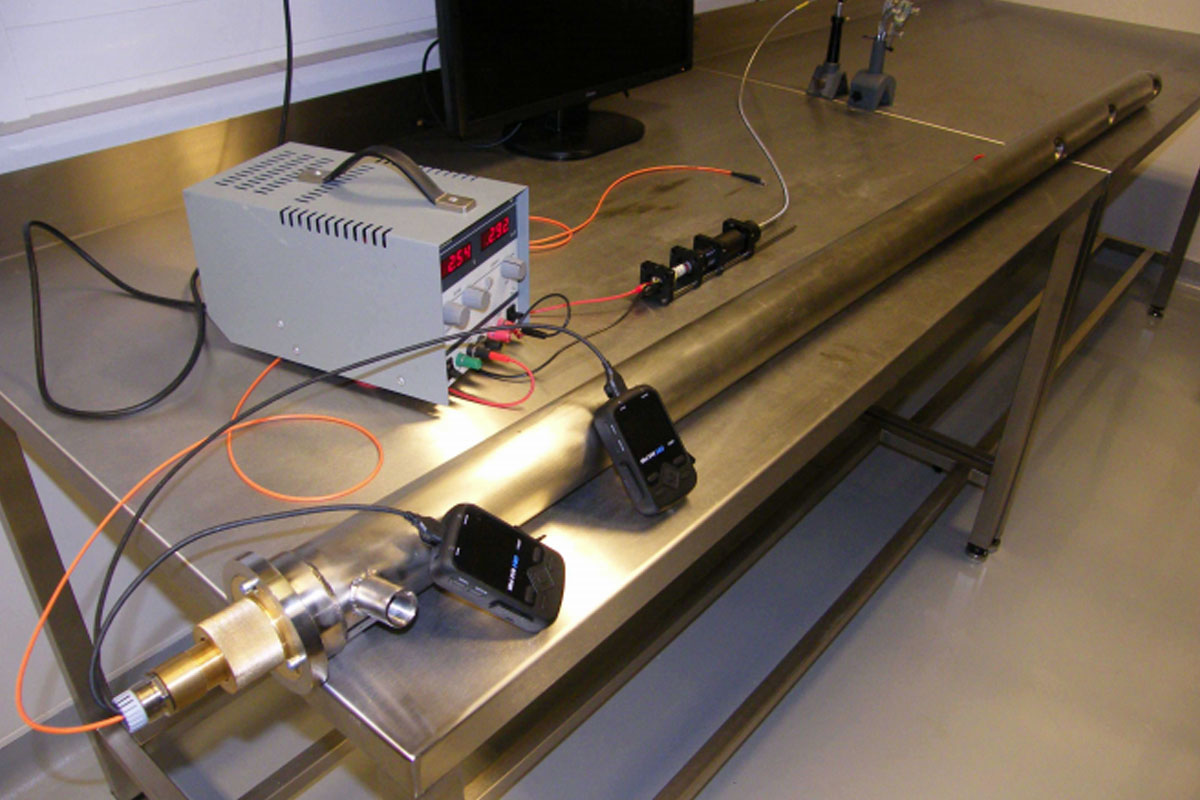
IS-Instruments has been developing advanced Raman-based gas analysis technologies to support the next generation of fusion energy research and fuel cycle monitoring applications.
Working through fusion-focused development programmes including GRADE, the company has explored how high-sensitivity Raman spectroscopy combined with hollow core microstructured fibre technology can support the real-time monitoring of hydrogen isotopes and tritium-containing gas streams.
The work forms part of wider efforts to develop analytical technologies capable of operating within the complex process environments associated with future fusion energy systems.
The Challenge
Fusion energy systems present unique analytical and operational challenges, particularly regarding fuel cycle management and process monitoring.
Hydrogen isotopes, including tritium, must be monitored accurately and reliably across a range of operating conditions to support:
- Process understanding
- Fuel cycle monitoring
- Operational efficiency
- Safety and regulatory requirements
- Future fusion infrastructure development
Traditional analytical approaches can involve significant sample-handling requirements, delayed analysis times, or limited continuous real-time monitoring capability. In addition, tritium presents specific operational constraints due to its radioactive nature, requiring analytical systems that minimise sample handling while maintaining high sensitivity and measurement reliability.
The Solution
To address these challenges, IS-Instruments developed advanced Raman gas analysis systems capable of supporting real-time measurements of complex gas mixtures and hydrogen-isotope species.
The work combined:
- Raman spectroscopy
- Hollow core microstructured fibre technology
- High-sensitivity spectroscopic instrumentation
- Fibre-coupled remote sensing architectures
- Real-time gas analysis capability
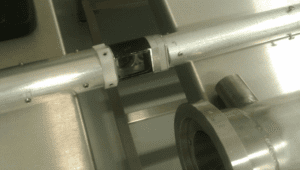
The hollow-core fibre approach enables extended optical interaction lengths between the laser light and the gas sample, significantly enhancing Raman signal generation in low-density gas environments.
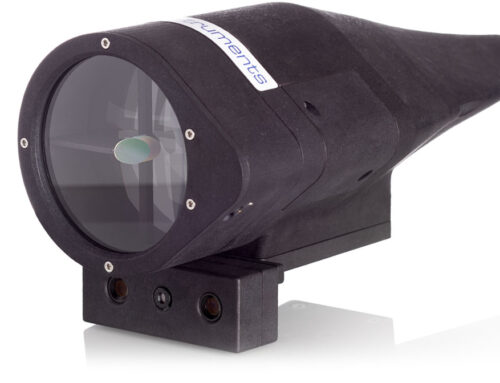
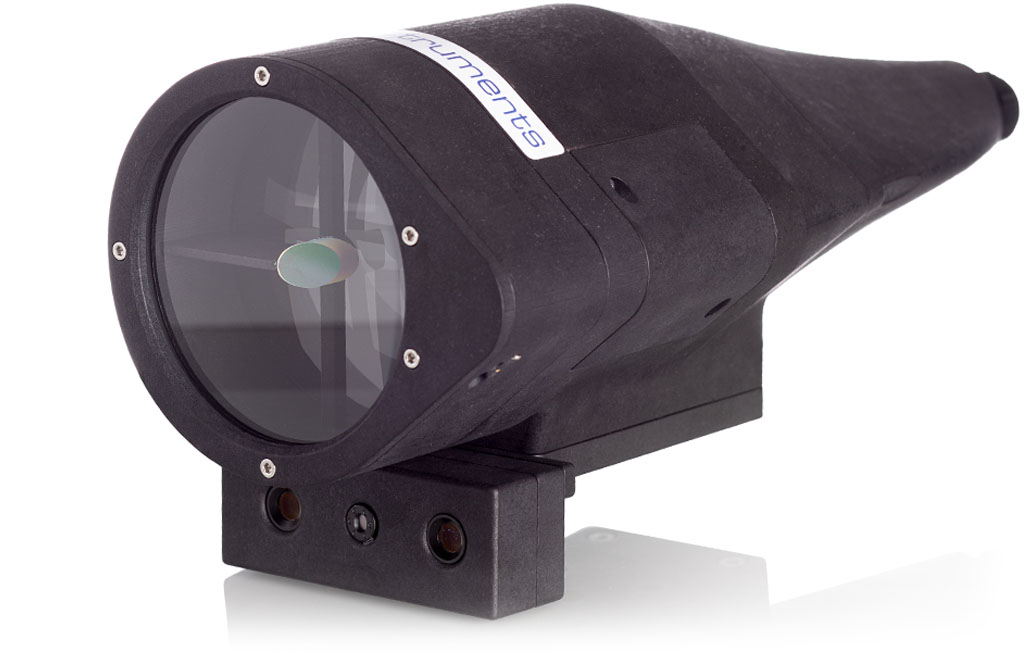
This architecture forms the basis of the IS-Instruments Notus gas Raman platform.
Real-Time Gas Analysis for Fusion Applications
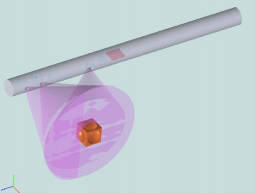
The Raman-based approach enables simultaneous identification and quantification of multiple gas species without extensive sample preparation. Unlike some conventional analytical methods, the system offers the potential for:
- Continuous real-time monitoring
- Reduced sample handling requirements
- Non-destructive gas analysis
- Flexible deployment configurations
- Multi-species gas quantification
- Remote sensing capability
These characteristics make the technology well-suited to future fusion fuel-cycle and process-monitoring applications.
Project Outcome
The project demonstrated the potential of Raman spectroscopy and hollow-core fibre technologies for advanced gas analysis in fusion-related environments. The work contributed to the ongoing development of real-time hydrogen-isotope monitoring approaches and supported broader research into analytical systems for future fusion infrastructure. The technologies developed through the programme also have potential applications across broader industrial gas analysis, process monitoring, and scientific research environments.
Key Features
- Real-time Raman gas analysis
- Hydrogen isotope monitoring capability
- Tritium sensing development
- Hollow core microstructured fibre technology
- Fibre-coupled remote sensing architecture
- Simultaneous multi-species detection
- Non-destructive gas analysis
- Flexible deployment configurations
Collaboration and Innovation
The work was conducted as part of collaborative fusion innovation programmes involving partners across the UK fusion and advanced instrumentation sectors, including the Optoelectronics Research Centre (ORC) and Amentum.
The GRADE project has been supported by UK Atomic Energy Authority through the Fusion Industry Programme (FIP). FIP is stimulating the growth of the UK fusion ecosystem and preparing it for the future global fusion powerplant market. More information can be found online: https://ccfe.ukaea.uk/programmes/fusion-industry-programme/