
New results from the UKAEA-funded GRADE 3 programme demonstrate the potential of low-power Raman spectroscopy for hydrogen isotope analysis in fusion applications.
Accurate hydrogen isotope analysis is essential for developing fusion energy. As the industry moves towards commercial-scale operation, reliable measurement technologies will become increasingly important. These technologies could support fuel-cycle management, process development and research.
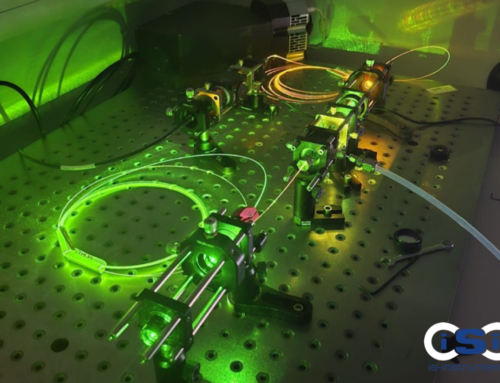
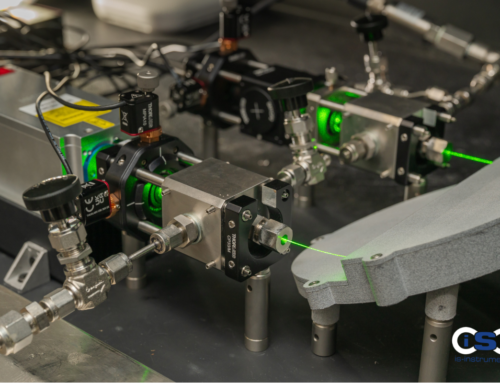
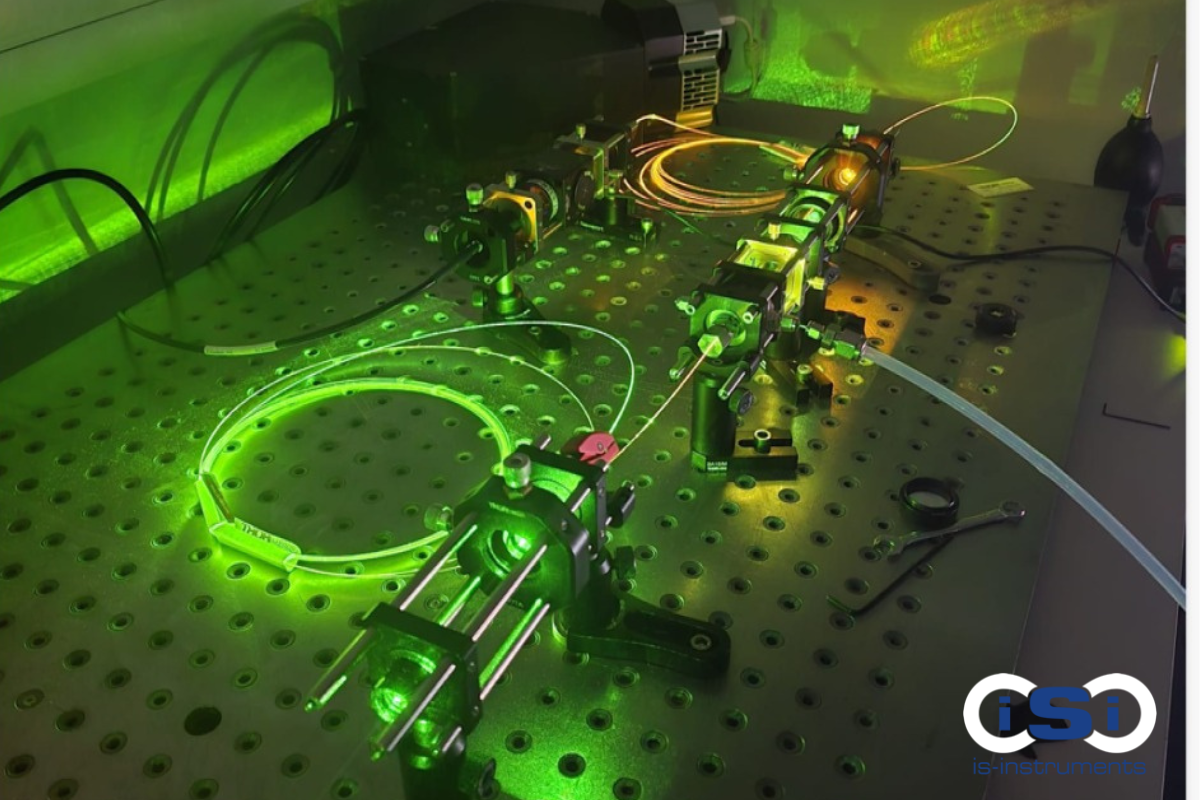
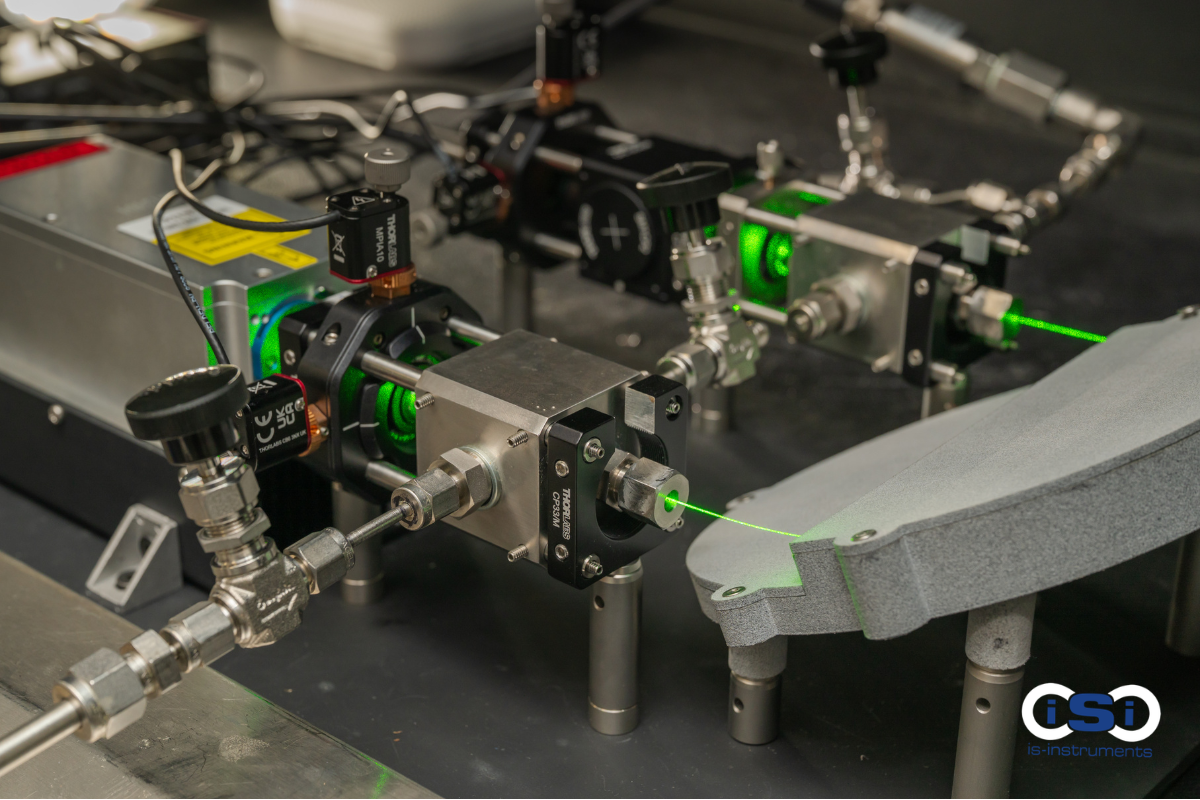
At IS-Instruments, we’re working with partners to address this challenge through the development of Notus, our gas Raman spectroscopy system.
https://is-instruments.com/?p=4216&preview=trueNow, results from the GRADE 3 programme mark a significant step forward.
Six hydrogen isotopologues. One gas mixture. One measurement sequence.
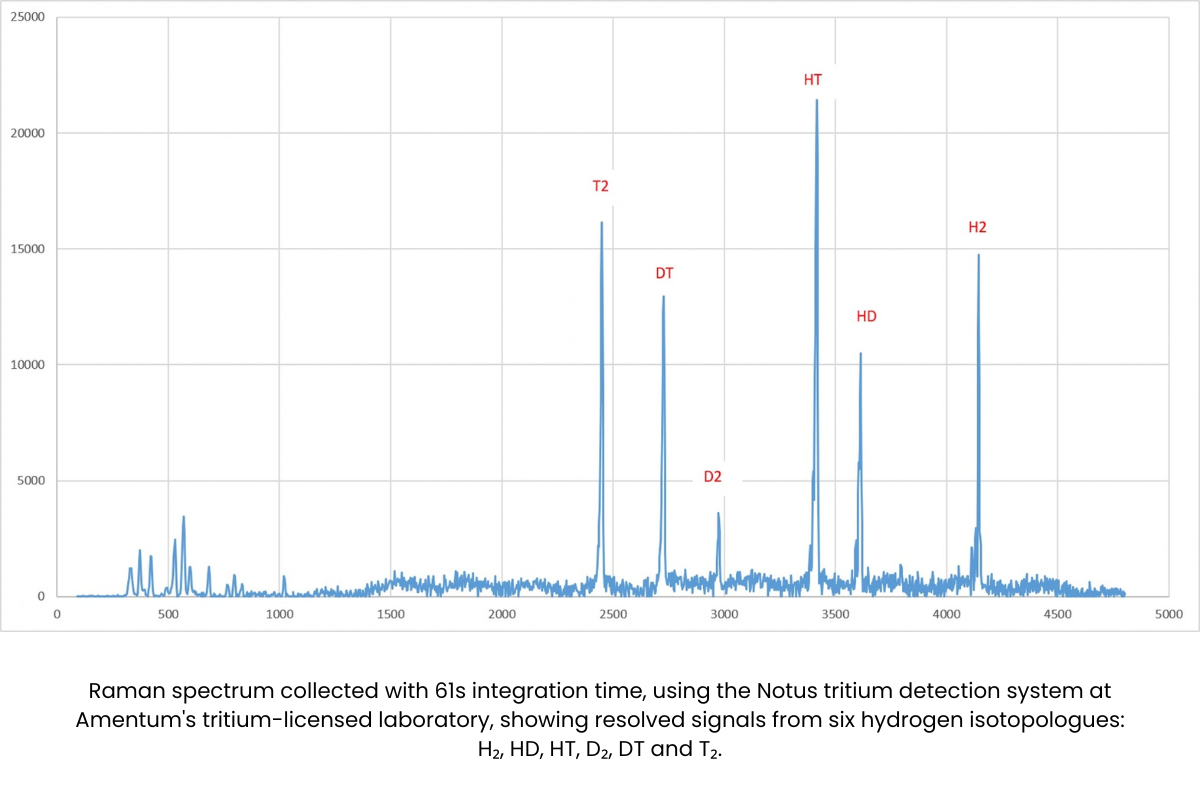
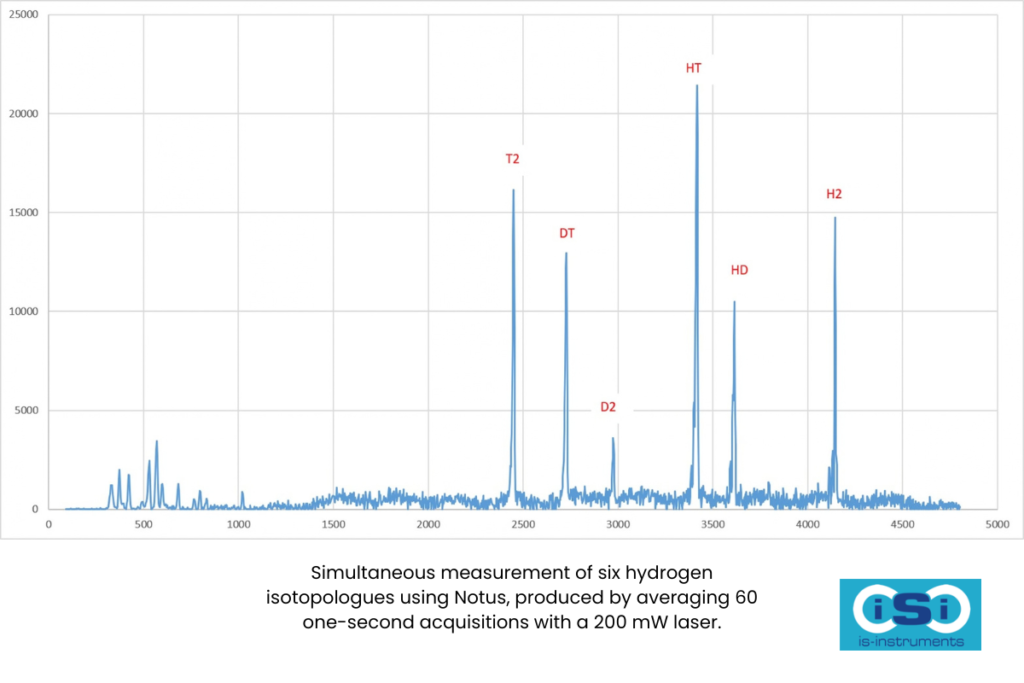
Working with the University of Southampton’s Optoelectronics Research Centre (ORC), Amentum and Fraunhofer, we’ve demonstrated the simultaneous measurement of all six hydrogen isotopologues in a single gas mixture (Hydrogen (H₂), hydrogen deuteride (HD), hydrogen tritide (HT), deuterium (D₂), deuterium tritide (DT) and tritium (T₂).
Amentum conducted the measurements at its licensed tritium laboratory as part of the GRADE 3 research programme. The programme received funding through the UK Atomic Energy Authority’s Fusion Industry Programme (FIP).
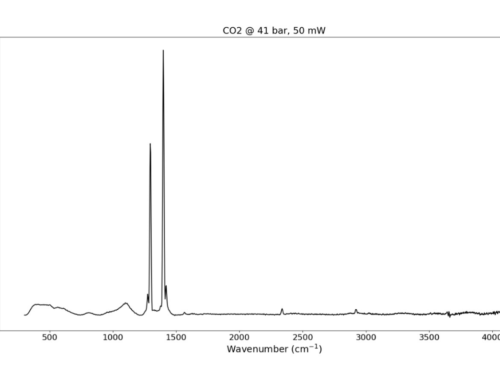
Using a laser operating at just 200 mW, Notus collected 60 consecutive one-second spectra. Each captured signals from all six isotopologues. Averaging these spectra produced a result showing six clearly resolved signals.
Our earlier research demonstrated tritium detection. These latest results extend that capability to simultaneously identify all six hydrogen isotopologues.
Why does this matter for fusion energy?
Deuterium and tritium are central to many proposed fusion energy systems. Understanding the composition of hydrogen isotope mixtures is therefore essential to developing fusion fuel-cycle technologies. Raman spectroscopy can distinguish molecular species through their characteristic spectral signatures.
For fusion applications, measuring several hydrogen isotopologues simultaneously could support research into gas composition, isotope processing and fuel-cycle management. The latest Notus results show that all six isotopologues can produce clearly resolved spectral signals within a relatively short measurement period. Importantly, this was achieved using comparatively low laser power.
The next challenge is to develop this capability into practical measurement solutions for research and industrial environments.
Building on established research
Using Raman spectroscopy to measure hydrogen isotopes is not new. Research associated with the Karlsruhe Tritium Neutrino Experiment (KATRIN), for example, has measured all six hydrogen isotopologues using a 5 W laser.
By comparison, the latest Notus measurements used a 200 mW laser. The resulting spectrum was produced by averaging 60 one-second acquisitions.
Experimental configurations differ, so direct performance comparisons require care. Nevertheless, these findings provide an encouraging basis for investigating compact, lower-power approaches to hydrogen isotope analysis.
Collaboration driving innovation
GRADE 3 brought together expertise in photonics, Raman spectroscopy, tritium handling and fusion technology. Our collaboration with the University of Southampton’s ORC, Amentum and Fraunhofer enabled us to develop and evaluate Notus in a specialist research environment. UKAEA’s Fusion Industry Programme funding supported this work.
GRADE 3 has now concluded, leaving a valuable foundation for further instrument development. We’re grateful to our project partners and UKAEA for their expertise, support and collaboration throughout the programme.
From research results to practical applications
These latest measurements represent an important technical achievement. However, further development is needed before Notus can become a commercially deployable instrument for hydrogen isotope analysis. Future work could include optimising performance, validating measurements under different conditions and adapting the technology for specific applications.
Organisations developing fusion fuel-cycle technologies, hydrogen isotope processing systems or specialist gas analysis capabilities could play an important role in this next stage. By working directly with prospective users and technology partners, we can better understand their measurement challenges. This will help us develop solutions that meet real operational needs.
Exploring the next stage of Notus development
IS-Instruments is now exploring opportunities to advance Notus towards commercial application.
We’re particularly interested in speaking with organisations working in fusion energy, hydrogen isotope analysis and related technologies. Opportunities could include collaborative development, strategic technology partnerships, application-specific validation or early adoption of the instrument.
If your organisation faces hydrogen isotope measurement challenges, we’d welcome a conversation about how Notus could contribute.
Contact Jessica at jgabb@is-instruments.com to discuss potential applications and development opportunities for Notus.
This project has been supported by the UK Atomic Energy Authority through the Fusion Industry Programme. The Fusion Industry Programme is stimulating the growth of the UK fusion ecosystem and preparing it for future global fusion powerplant market.
More information about the Fusion Industry Programme can be found online: https://ccfe.ukaea.uk/programmes/fusion-industry-programme/